
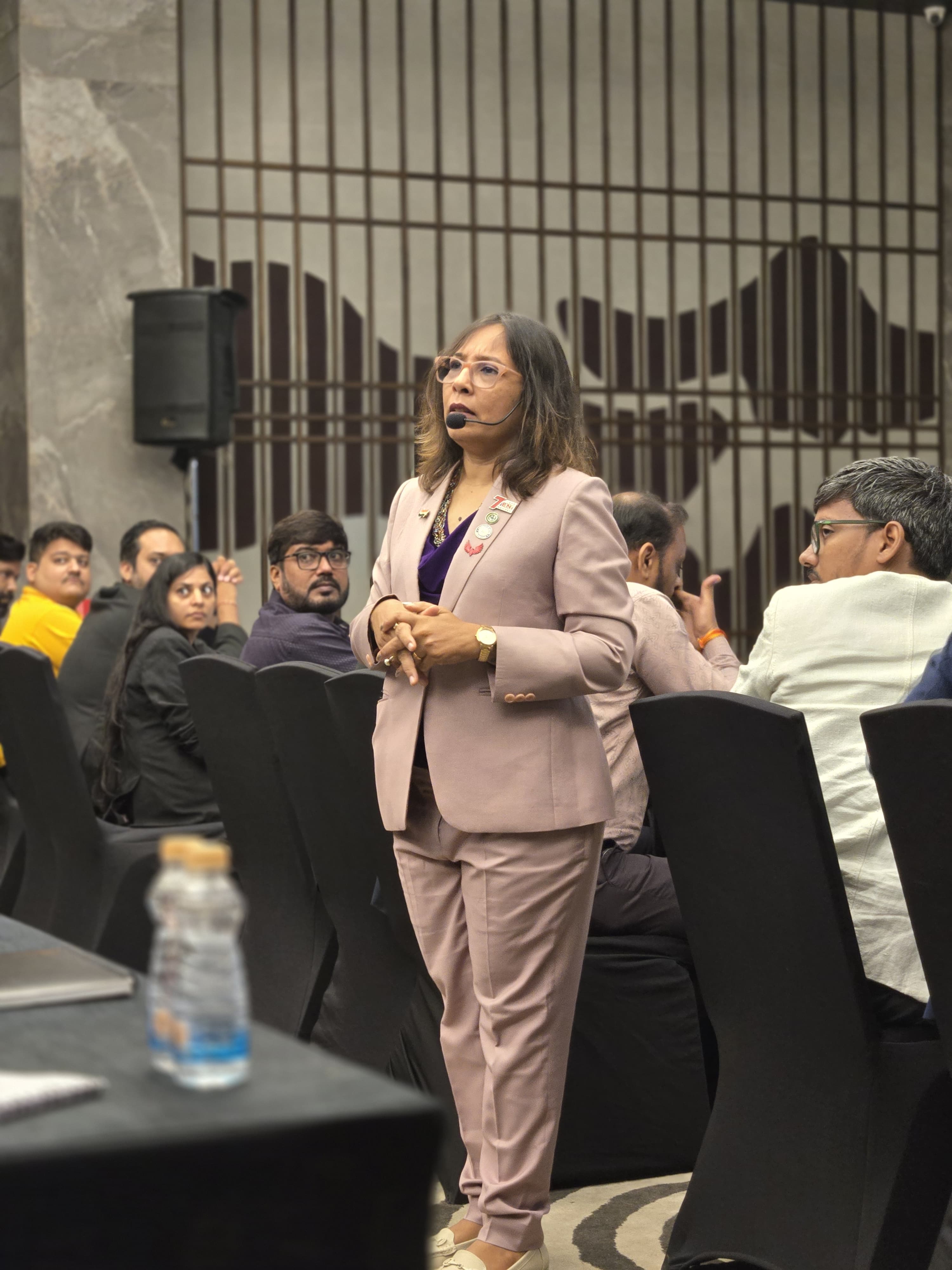
Business Coaching
They help clients identify strengths and weaknesses, set actionable goals, overcome obstacles, and stay motivated through expert guidance, ask meaningful questions, and offer practical tools and resources. The coach's role is to empower the business owner to find their own solutions, rather than providing pre-packaged answers, fostering growth and improved performance.
Key Responsibilities of a Business Coach
- Coaches work with clients to define clear short-term and long-term business goals and develop realistic action plans to achieve them.
- They help business owners enhance crucial skills such as leadership, communication, time management, and decision-making.
- Coaches serve as an accountability partner, helping business owners stay on track with their commitments by tracking progress and providing consistent follow-up.
- They provide expert insights and a fresh perspective to help clients identify challenges, uncover blind spots, and create effective solutions.
- Business coaches offer support, motivation, and encouragement to help entrepreneurs navigate obstacles and maintain focus on their vision.
- Coaches can provide access to valuable resources, tools, templates, and a professional network to accelerate learning and problem-solving.
- They focus on improving business performance by aligning systems, structures, and the team with the overall business plan and goals.
- A core part of coaching involves asking meaningful questions to stimulate thought, drive creativity, and help the client explore available possibilities and choices.
What a Business Coach Does Not Do
- Instead of giving instant answers, coaches guide clients to discover their own solutions.
- A coach collaborates with the business owner to create a plan, but the owner remains responsible for executing the work.